
















In context
3D / 2D Motion / WebskillogyMotion design that
Motion design that
explains
complex
things in
motion.
Movement can explain, invite and surprise. We explore motion as part of your brand language, from subtle interface feedback to expressive 3D scenes.
Start a projectReferencesExplore Webskillogy projects across industries in India and internationally.










Moving images that
bring
technology
to life.
Explore selected Webskillogy projects across web design, development and branding.
What goes into
our motion design.
The building blocks of a connected brief. Images show original Webskillogy explorations.
Motion concept
Start with the message and the moment. Animation should help people understand or feel something specific.
Storyboard
Define rhythm, materials and transitions before adding complexity. A coherent motion language makes small details feel intentional.
Style frames
Plan for loading, device capability and reduced-motion preferences so the experience remains useful.
Animation development
Start with the message and the moment. Animation should help people understand or feel something specific.
In context
Animation development
In context
Export & integration
Export & integration
Define rhythm, materials and transitions before adding complexity. A coherent motion language makes small details feel intentional.
Material and lighting studies
Explore surface, light and depth before committing to a finished scene.
Format adaptation
Consider the proportions, duration and delivery format needed for each placement.
Motion handover
Provide the agreed exports and usage notes with the relevant integration considerations.
In context
Motion handover
Why 3d / 2d motion works with us.
Clear thinking gives the creative work a purpose.
A direction before the details.
Connect the work to a clear audience, a useful message and the decision your business needs people to make.
Explore in context.
Review the direction in real applications so typography, imagery and interaction can be assessed as a connected experience.
A system you can use.
Give future pages, content and campaigns a consistent foundation, with room for your business to evolve.
One considered journey.
Carry the same promise from the first impression through the content and into a clear, practical next step.
Collaboration you can
plan on.
One connected brief. A considered process. A useful conversation at each milestone.


A clear contact path
Use email, phone or WhatsApp to keep the conversation connected.
Visible milestones
Review work in context and understand the decisions behind it.
Shared responsibilities
Agree on who creates, who reviews and who approves.
Thoughtful feedback
Bring consolidated feedback to each stage so the direction stays clear.
From the briefing
to the final render.
The scope follows your brief. Each stage prepares something concrete for the next review.
Motion concept
Start with the message and the moment. Animation should help people understand or feel something specific.
Storyboard
Define rhythm, materials and transitions before adding complexity. A coherent motion language makes small details feel intentional.
Style frames
Plan for loading, device capability and reduced-motion preferences so the experience remains useful.
Animation development
Start with the message and the moment. Animation should help people understand or feel something specific.
Export & integration
Define rhythm, materials and transitions before adding complexity. A coherent motion language makes small details feel intentional.
HOW THE WORK DEVELOPSWhat you get to see
What you get to see
in every phase.
Each stage includes a concrete review, so you can see the direction before the next step.
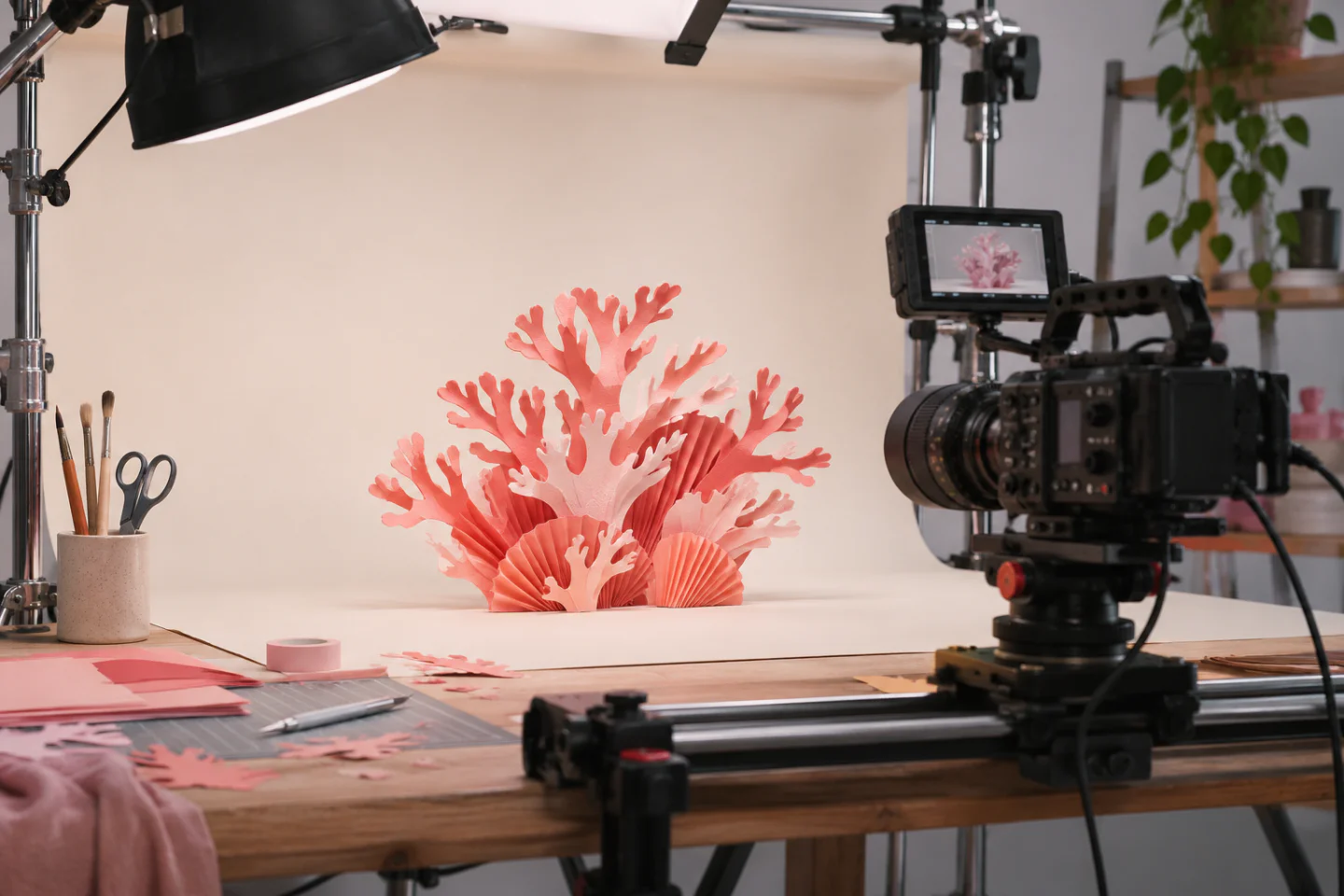
Step 01 Motion concept
Reference
Step 02 Storyboard
Reference
Step 03 Style frames
Reference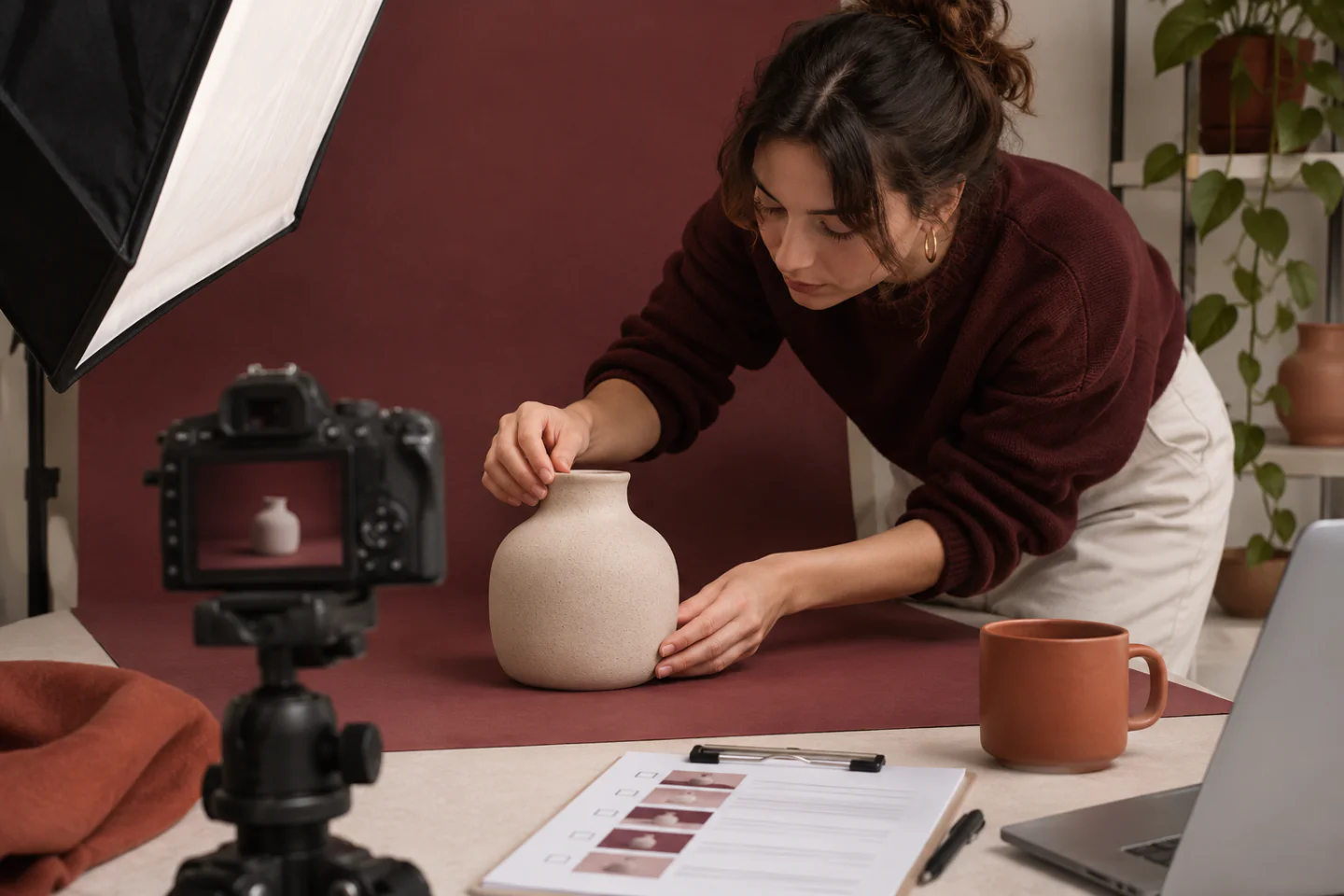
Step 04 Animation development
Reference
Step 05 Export & integration
Reference
Step 06 Review and handover
ReferenceSee the work.
Explore selected projects from the Webskillogy portfolio.
Explore our work and process.
See selected projects, read the journal and find out how we work with your team.
Published work from the Webskillogy portfolio.
Articles from the Webskillogy journal.
Browse the portfolio by project and discipline.
ProcessHow we workSee how a project moves from the first brief through reviews to handover.
PlatformsTools we useCompare platforms and find a practical fit for your website.
IndustriesMotion design for
Motion design for
your industry.
Explore relevant projects, common challenges and the creative decisions that shape a useful presence in each industry.
 01↗
IT & Software
Explore our approach.
 02↗
Industry & Mechanical Engineering
Sky Steel, Sigma Marble & Granite
 03↗
Real Estate
Budget Homes Mumbai, JP Infra, Transcon Developers, URD — Urbanrise Developer
 04↗
Energy & Sustainability
Explore our approach.
 05↗
Mobility & Aviation
Explore our approach.
 06↗
Trades & Crafts
Pappu Aapka Painter, S-Cube Construction, The Design House Company
 07↗
Research & Science
Explore our approach.
 08↗
Consulting & Services
Kaizen Partners, Finzen India
 09↗
Other Industries
Explore our approach.
Journal and guidesEverything you need
Everything you need
to know
about
motion and
animation.
Practical notes for your next project: how to prepare a brief, assess the options and connect creative decisions with a useful result.
Questions and answersFrequently asked questions
Frequently asked questions
about motion
design.
What is motion design?
We begin with the audience, the existing material and the outcome the work needs to support. The brief then connects strategy, design and delivery, with clear review points and an agreed handover.
Do you do 3D and 2D?
We begin with the audience, the existing material and the outcome the work needs to support. The brief then connects strategy, design and delivery, with clear review points and an agreed handover.
Do we need a finished product for product visualization?
We begin with the audience, the existing material and the outcome the work needs to support. The brief then connects strategy, design and delivery, with clear review points and an agreed handover.
Which channels do you produce for?
We agree the working format, intended channels and practical production needs together. Remote reviews and any on-site sessions are planned around the brief, with responsibilities and deliverables made clear.
When will I see the first results?
We agree a practical schedule around the scope, available content and review stages. The plan identifies the next deliverable, the people involved and what is needed to keep work moving.
Can you integrate animations directly into the website?
The technical approach follows the content, integrations and team that will use it. We review the existing setup and agree suitable tools, responsibilities and any migration work as part of the scope.
Can we reuse the animations later?
The handover explains the material, access and responsibilities included in the project. We can discuss training, maintenance or future adaptations as a separate, clearly scoped next step.
Can we collaborate remotely?
We agree the working format, intended channels and practical production needs together. Remote reviews and any on-site sessions are planned around the brief, with responsibilities and deliverables made clear.
START A PROJECTWhat is your
What is your
primary goal?
Select a goal and shape your project brief. 3D / 2D Motion is already selected.
A clear starting pointYour draft to review
A USEFUL FIRST CONVERSATION
Let’s find a time to talk.
Email us to arrange a time, or start the conversation on WhatsApp. Tell us a little about your business and what you want to explore.
+91 88985 18887
enquiry@webskillogy.com
Motion Design Guide
Motion design agency
for brands
that
have
something to show.
A practical guide to planning motion design, choosing the right approach and preparing your team for a clear, useful collaboration.
What determines the effort of an animation
The right starting point is a clear brief. For motion design, the amount of work depends on the decisions, materials and outcomes involved, rather than one simple package label.
What influences the scope
Length and scenes
Start with what the viewer should understand or remember. A concise message gives the story a direction before the first animation is produced.
2D or 3D
Choose the visual approach around the subject and audience. Two dimensional graphics and three dimensional scenes each offer different ways to explain an idea.
Models and data
Agree the sequence in a storyboard or animatic. Timing and composition are easier to review before the detailed movement and finishing work begin.
Level of detail
Plan where the animation will be used. Duration, sound, aspect ratios and delivery formats should reflect the channels rather than follow one generic export.
Formats and channels
Check what production assets already exist. Useful illustrations, product models and brand files can shape the scope and prevent unnecessary recreation.
Sound and voice
Build a realistic review process around the main milestones. Feedback on the story belongs before rendering, compositing and final delivery.
A useful estimate describes what is included and where assumptions remain. We connect the scope with your priorities, then agree how additional requests will be reviewed before work begins.
Our motion design process
A shared process gives the animation a direction without hiding the work behind it. Each stage creates something concrete to discuss and a clear decision for the next stage.
Concept
Initial consultation
Share the context, the audience and the practical priorities. A useful first conversation identifies what the project should achieve and what needs further investigation.
Onboarding and kickoff
Gather the existing materials and review their usefulness. We identify what can be retained, what needs development and which gaps should be addressed first.
Concept and storyline
Translate the brief into a clear direction and review criteria. This gives the team a shared basis for comparing alternatives and making decisions.
Design
Storyboard
Explore the strongest possibilities before developing every detail. A focused set of options makes discussion useful and keeps attention on the main decisions.
Styleframes
Present a concrete first version using realistic content. Seeing the work in context makes it easier to review the hierarchy, the message and the overall impression.
Animatic
Collect feedback into one considered response. We discuss the reasons behind the comments and separate essential changes from ideas for a later stage.
First sequence
Develop the approved direction across the agreed scope. Shared rules and reusable elements help the individual parts feel connected without repeating unnecessary work.
Production
Production and refinement
Check the details in the situations where the work will be used. This review considers clarity, consistency and the practical needs of the people receiving it.
Feedback and fine-tuning
Prepare the agreed files and documentation for handover. The delivery should be understandable to the people who will publish, maintain or continue the work.
Handover
Rendering
Review the finished experience together and resolve the remaining questions. A clear handover connects the final material with its intended use.
Delivery and integration
Agree what happens after delivery and who owns the next decisions. Support, new material and future improvements can be discussed around a defined scope.
You review the work at useful milestones. One combined response is easier to act on than scattered comments, and keeps the reasons behind a decision visible to everyone involved.
2D or 3D?
There is no single approach that fits every animation. The right choice follows from the audience, the material, the team and the way the result will be used.
3D
A good fit if
- A clear brief defines the useful starting point.
- Choose tools that fit the work and the people maintaining it.
- Discuss practical constraints before committing to a technical approach.
- Keep future updates and ownership visible in the decision.
2D
A good fit if
- A clear brief defines the useful starting point.
- Choose tools that fit the work and the people maintaining it.
- Discuss practical constraints before committing to a technical approach.
- Keep future updates and ownership visible in the decision.
We discuss those practical differences with you before choosing a direction. The aim is a solution your team can understand and continue to use, with clear responsibilities after delivery.
What makes for great motion design
Good motion design connects the details with the larger purpose. It should help people understand the message and take the next useful step, while remaining consistent across the experience.
Substance over style
The message should be easy to understand. A clear hierarchy helps people find the information that matters without making every element compete for attention.
On-brand
Shared visual rules connect the individual parts. Type, color, imagery and spacing should feel considered together across the materials people encounter.
Performance
Design choices should support a useful experience. Review the work with real content and practical tasks so the result works beyond a presentation.
Accessibility
Good production respects the way people will use the work. Files, formats and behavior should fit the channel and remain clear in everyday conditions.
Built to grow
A coherent result is easier to continue. Practical guidance and well organised assets help the team make future updates with confidence.
Review the work in realistic situations rather than only in an isolated presentation. Real content, different devices and everyday use reveal whether the choices support the intended experience.
How to spot a good motion design agency
Look for a team that can explain its decisions and show how it works. Useful questions reveal more about a partnership than a long list of unqualified promises.
- Can the team explain the thinking behind relevant previous work?
- Is the proposed process clear enough for everyone to understand?
- Do responsibilities and review points appear in the project scope?
- Are assumptions and limitations discussed before commitments are made?
- Will your team receive material it can understand and use?
Ask to see work that relates to your challenge, then discuss the thinking behind it. Clear communication, defined responsibilities and a considered review process make collaboration easier to assess.
Checklist: How to prepare for your project
You do not need a finished solution before the first conversation. A few useful materials help establish the starting point and make the animation easier to discuss.
- Describe the main problem the project should help solve.
- Explain who the work should reach and what they need.
- Share useful examples and explain what you see in them.
- Gather existing writing, images, brand files and other relevant materials.
- List the important deliverables and the places they will be used.
- Identify who can provide the access and source files needed.
- Discuss the available budget, timing and any important dependencies.
- Choose who reviews the work and combines the feedback.
Bring what is available and be clear about what is still uncertain. We can identify the gaps together and decide which questions should be answered before production starts.
Motion Design with Webskillogy
Webskillogy works with teams through a clear brief, shared reviews and direct communication. The practical setup follows the project, including how people collaborate, exchange material and make decisions.
Tell us about the challenge, the people involved and the outcome you want. We will discuss a useful next step and define the scope together before making commitments.